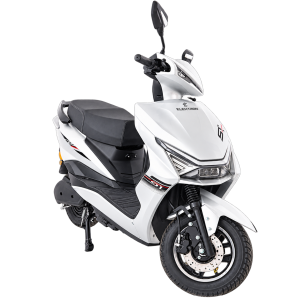
 EK-BLAZZ
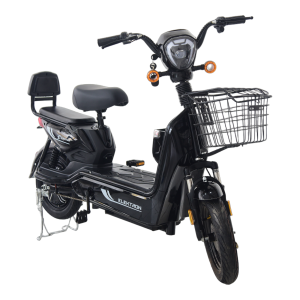 EK-EZI
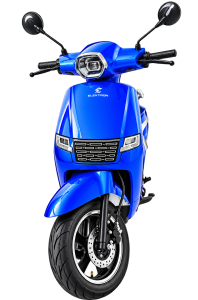 EK-VEZZPA
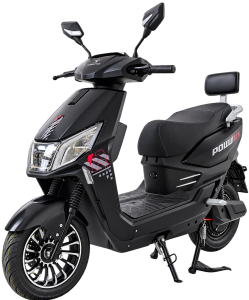 EK-VOLT

When people compare an electric scooter to a petrol bike, they almost always start and stop at the price tag. Whichever one costs less to buy up front feels like the “cheaper” option. But that comparison misses the part that actually matters most: what happens after you ride it off the showroom floor.
A petrol bike’s real cost isn’t the sticker price, it’s everything that follows. Fuel, first and foremost, which you’re paying for every single week, at a price you don’t control and can’t predict. Then there’s the maintenance schedule that petrol engines demand: oil changes every few months, periodic tune-ups, carburetor cleaning, spark plug replacements, and the general wear that comes with dozens of moving mechanical parts working against friction and heat every time you ride.
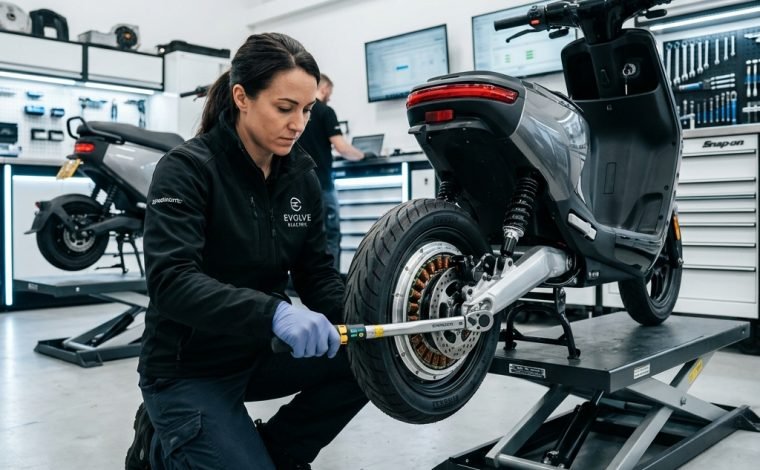
An electric scooter flips that cost structure almost entirely. There’s no fuel to buy just electricity, which costs a small fraction of what petrol does for the same distance travelled. There’s no oil to change, no carburetor to maintain, no spark plugs to replace. The motor itself has far fewer parts that can wear out, which means the maintenance bill over a year is typically much smaller than what a petrol bike owner pays without a second thought.
Let’s put this in perspective. Over the course of a year, a typical daily commuter on a petrol bike might spend a significant amount purely on fuel before counting a single rupee on servicing. An electric scooter covering the same distance costs a fraction of that in electricity, and the service visits are rarer and cheaper because there’s simply less that can go wrong.
This is where the idea of “total cost of ownership” becomes useful. It’s not about what you pay on day one it’s about what you pay across the two, three, or five years you actually own and ride the vehicle. When you add up fuel, servicing, parts replacement, and the little repairs that pile up over time, the upfront price difference between electric and petrol options starts to shrink dramatically, and in many cases, the electric option ends up cheaper overall well before the end of its useful life.
There’s also a less obvious cost that rarely gets talked about: time. Fewer workshop visits means fewer days spent without your bike, fewer mornings spent waiting at a mechanic’s shop, and less mental overhead spent worrying about the next thing that might break. That’s not something you can put a precise number on, but anyone who’s dealt with an unreliable petrol bike knows it’s real.
None of this is to say petrol bikes have no advantages, refueling is near-instant anywhere in the country, and the upfront price can still be lower for some models. But for a rider thinking in years rather than days, the comparison that matters isn’t “which is cheaper to buy.” It’s “which is cheaper to own” and increasingly, the answer is electric.